 “Embracing Imperfection,” an exhibition by Christine Hager-Braun, seeks to obliterate the stigma long associated with mental health. Hager-Braun’s work reflects her own struggle with depression. The colors and composition in her work, while abstract, foster an emotional connection revolving around personal growth, resilience, and acceptance.
Originally from Germany, Hager-Braun’s gained an interest in quilting after her move to the United States, learning, as she says, to paint with needle and thread. As a fiber artist, Hager Braun creates colorful, quilted compositions in order to express emotions without the use of words. This approach parallels to the indescribable feelings and emotions surrounding mental health.
The topic of mental health is especially relevant for students as the daily struggles with peer pressure and balancing an often demanding class schedule with their personal lives. “Every new art quilt I create is influenced by my belief in the power of a positive mindset. Each piece reflects a triumph over our trials, a reminder of our daily successes, and the promise to ourselves that we will never give up,” says Hager-Braun. Through the medium of fiber artworks and sharing her own story, Hager-Braun hopes to inspire others to, “persevere, heal and thrive.”
WHEN: August 15 – October 6, Monday – Thursday, 10 a.m. – 2 p.m., or by appointment
WHERE: Central Piedmont Central Campus, Overcash Center first floor, Overcash Art Gallery
ARTIST LECTURE: Artist Lecture and reception is Sept. 14, at noon at Central Campus, North Classroom Building Auditorium, Room 1123
CONTACT: For more information, please contact Amelia Zytka at amelia.zytka@cpcc.edu. Follow us on Instagram and Facebook at Central Piedmont Arts and the art gallery blog.
 A new interactive exhibit will open in the Ross Gallery at Central Campus on Aug. 15.
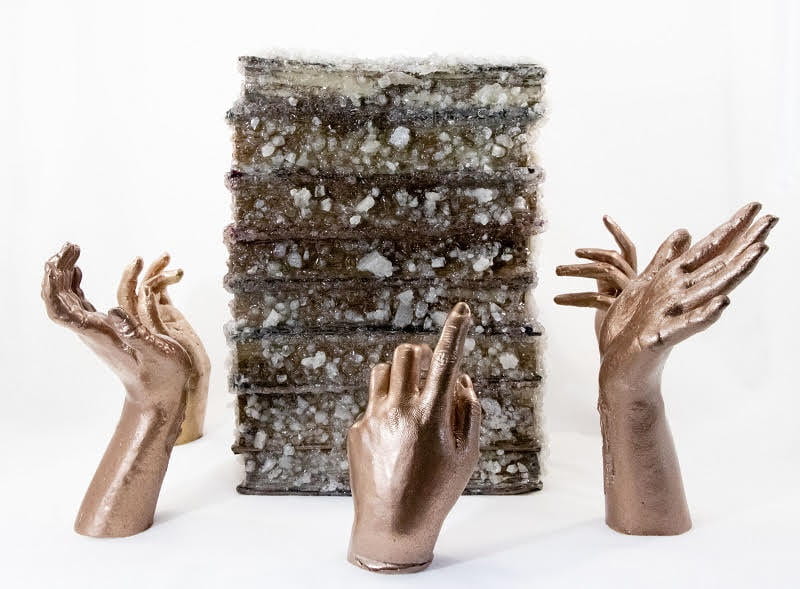 North Carolina artist Zaire McPhearson brings “A Fall From Grace,’” to Central Piedmont Community College’s Overcash Art Gallery, located on the college’s Central Campus. The exhibition tells the story of a charismatic movement known as the “Prayer Band,” through the voices of the African American women who experienced it firsthand. This movement evolved from a traditional Christian-based organization, The First Church of God in Christ, but soon the woman leading a noonday prayer meeting reshaped the group and formed her own ministry, calling herself the Queen of the South. She considered herself to be the voice of God and a direct intermediary between God and the women in the “Prayer Band.”